Digital Biology in Plant Science: AI, Bioinformatics & Genomics
Explore how digital biology, artificial intelligence, plant bioinformatics, computational genomics and multi-omics are transforming plant research
Discover how artificial intelligence, plant genomics, multi-omics and computational biology are opening new perspectives in plant molecular research and agricultural biodiversity.
Digital Biology is changing the way scientists understand plants. By integrating artificial intelligence, bioinformatics, computational genomics and experimental biotechnology, researchers can investigate complex plant systems through interconnected biological datasets.
From decoding plant genomes to predicting molecular interactions and examining gene expression, digital technologies are creating new opportunities for plant science, biodiversity research and agricultural biotechnology.
What Is Digital Biology?
Digital Biology is an interdisciplinary approach that combines biological research with computational technologies, artificial intelligence, mathematical modelling and large-scale biological data analysis.
Plants are complex biological systems. Their growth, development, metabolism and environmental adaptation depend on interactions between genes, proteins, metabolites, cells and external conditions. Understanding these relationships requires more than studying individual biological components.
Digital Biology connects molecular biology with computational approaches to investigate biological processes at multiple levels.

Plant Genomics
Exploring genetic sequences, genome organization, genetic variation and evolutionary relationships.
Bioinformatics
Processing genomic, transcriptomic, proteomic and metabolomic information using computational tools.
Artificial Intelligence
Applying machine learning and deep learning to biological datasets and molecular prediction.
Systems Biology
Investigating interactions between genes, proteins, metabolites and biological networks.
1. Plant Genomics: Understanding the Digital Blueprint of Plants
Plant genomics is a fundamental component of Digital Biology. Genome sequencing technologies have made it possible to investigate the genetic architecture of numerous plant species and identify the molecular mechanisms underlying important biological characteristics.
Computational plant genomics allows researchers to compare genomes, identify genetic variations, investigate gene families and explore evolutionary relationships.
Through comparative genomics and population genomics, scientists can study genetic diversity across plant populations and examine molecular mechanisms associated with adaptation.
- Whole-genome sequencing and genome assembly.
- Single nucleotide polymorphism (SNP) identification.
- Comparative plant genomics.
- Gene annotation and functional genomics.
- Population genetics and phylogenetic analysis.
2. Artificial Intelligence in Plant Biology

Artificial intelligence is expanding the analytical capabilities of plant science. Machine learning and deep learning algorithms can process complex biological information, identify patterns and support the interpretation of experimental observations.
AI-driven genome analysis
Machine learning methods can support sequence classification, gene prediction, regulatory element identification and the analysis of genomic patterns.
Computer vision and plant phenotyping
Image recognition algorithms can measure leaf morphology, plant architecture, growth characteristics and visible phenotypic changes.
Predictive molecular biology
AI-based models can help investigate protein structures, molecular interactions and potential biological functions, supporting the development of new research hypotheses.
Environmental data modelling
Combining genomic, phenotypic and environmental datasets allows researchers to investigate relationships between plant characteristics and growing conditions.
3. Bioinformatics: Connecting Plant Genomics, Transcriptomics and Proteomics
Bioinformatics provides the computational methods needed to manage, analyze and interpret the growing volume of biological information generated by modern plant research.
Sequencing platforms, mass spectrometry and other high-throughput technologies produce datasets that require specialized computational workflows.
Plant transcriptomics and RNA sequencing
RNA sequencing (RNA-seq) enables researchers to investigate gene expression across plant tissues, developmental stages and environmental conditions. Differential expression analysis and gene co-expression networks can reveal patterns of transcriptional regulation.
Plant proteomics
Proteomics investigates the proteins expressed in plant cells and tissues. Mass spectrometry-based analysis can help identify proteins, quantify abundance and investigate post-translational modifications.
Plant metabolomics
Metabolomics focuses on small molecules involved in plant biochemical processes. Computational analysis helps characterize metabolic profiles and investigate changes in metabolic pathways.
4. Multi-Omics Integration: Understanding Plant Systems

Multi-omics integration is one of the most important directions in modern computational biology. It combines information from multiple molecular levels to investigate the relationships between genetic information, gene expression, protein activity and metabolism.
Genomics
Examines the complete genetic information of an organism.
Transcriptomics
Investigates RNA expression and transcriptional activity.
Proteomics
Studies protein abundance, structure and molecular interactions.
Metabolomics
Characterizes metabolites and biochemical pathways.
For example, a plant drought-response investigation could integrate gene expression profiles, protein abundance, metabolite measurements and genomic variation to explore the molecular networks associated with water-stress responses.
5. Digital Phenotyping: A New Way to Study Plant Characteristics
Digital phenotyping uses imaging technologies, sensors, computer vision and computational analysis to measure plant characteristics.
Researchers can quantify leaf area, root architecture, plant height, biomass-related traits and developmental changes through image-based and automated phenotyping workflows.
High-throughput phenotyping platforms can generate extensive datasets that can be analyzed alongside genomic information to investigate genotype–phenotype relationships.
6. Computational Plant Biology and Biological Modelling
Computational plant biology uses mathematical models, simulations and algorithms to investigate the organization and behavior of biological systems.
Gene regulatory networks
These models represent relationships between transcription factors, regulatory elements and target genes.
Metabolic network modelling
Genome-scale metabolic models represent biochemical reactions and help researchers investigate metabolic pathways and cellular processes.
Structural bioinformatics
Computational structural biology investigates the three-dimensional structures of plant proteins and their potential molecular interactions.
Systems biology
Systems biology integrates information from multiple biological components to examine interactions within complex molecular networks.
7. Synthetic Biology and AI-Assisted Plant Research
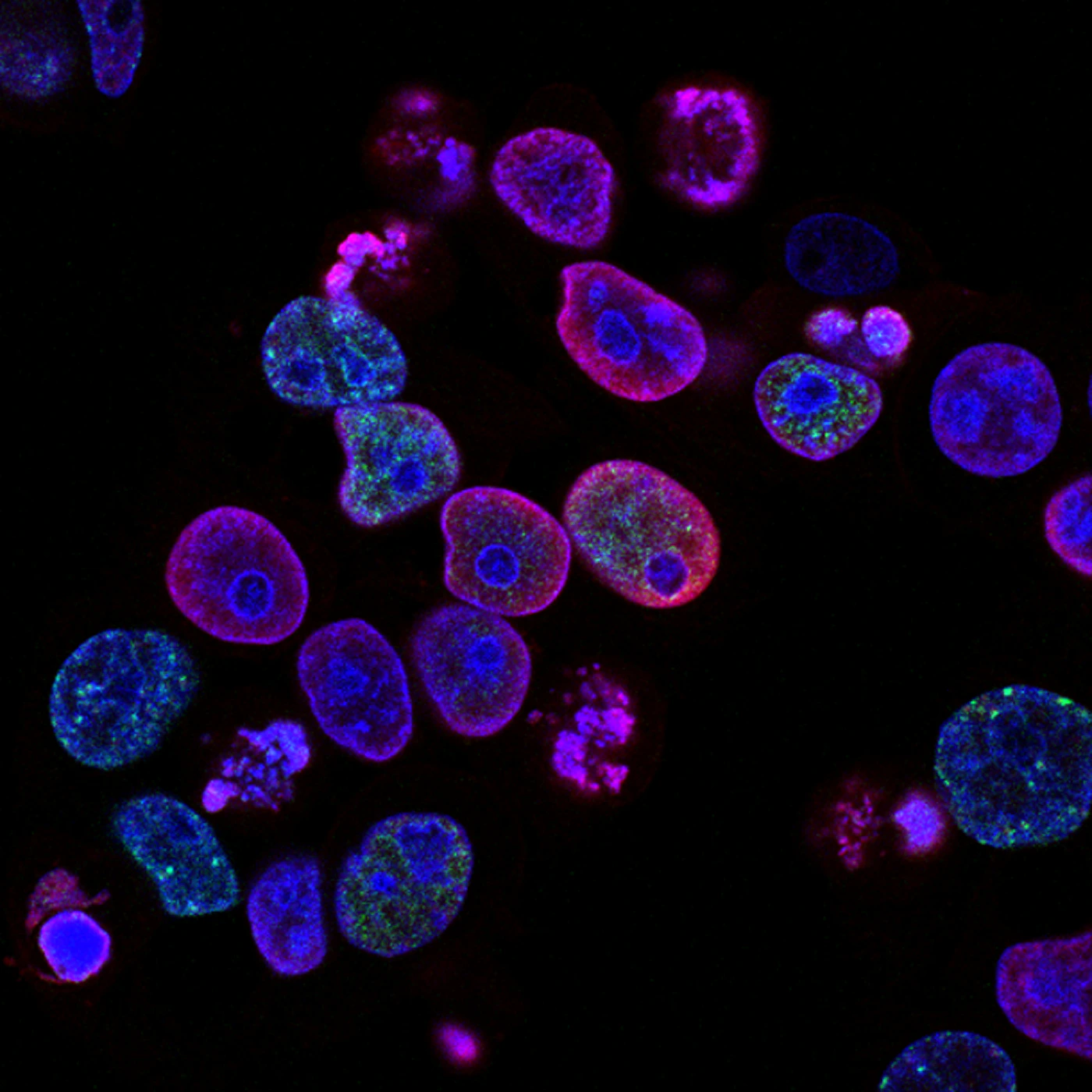
Synthetic biology combines engineering principles with molecular biology to investigate and design biological systems. In plant science, it supports research into genetic circuits, metabolic engineering, gene regulation and biological pathway modification.
Computational models can help scientists examine genetic constructs, predict possible molecular interactions and explore the effects of changes to biological pathways.
When integrated with experimental molecular biology and genome editing, computational approaches offer new ways to investigate plant molecular systems.
8. Digital Biology and Agricultural Biodiversity
Digital Biology also provides valuable opportunities for agricultural biodiversity research. Plant species and populations contain extensive genetic variation that can be investigated through genomic sequencing, population genetics and comparative analysis.
Computational technologies can support the characterization of plant genetic resources, evolutionary relationships and the molecular basis of plant adaptation.
- Comparative genomics of cultivated and wild plant species.
- Population genomics and genetic diversity analysis.
- Phylogenetic reconstruction and evolutionary studies.
- Integration of environmental and phenotypic datasets.
- Computational analysis of plant genetic resources.
These approaches connect molecular plant research with biodiversity science and contribute to a deeper understanding of the genetic diversity present across plant species.
9. The Future of Digital Biology in Plant Science
Emerging technologies are expanding the possibilities of computational and experimental plant research.
Virtual Plant Models
Computational representations of plant structures and processes for investigating development and environmental responses.
Single-Cell Biology
Single-cell RNA sequencing helps characterize gene expression at individual-cell resolution.
Spatial Transcriptomics
Investigates gene expression while preserving spatial information within plant tissues.
Biological Foundation Models
Large-scale AI models support the analysis and interpretation of biological sequences and molecular data.
The integration of these technologies could enable increasingly sophisticated investigations of plant development, cellular organization, gene regulation and environmental adaptation.
Frequently Asked Questions About Digital Biology
What is Digital Biology in plant science?
Digital Biology combines plant research with computational biology, AI, bioinformatics and biological data science to investigate plant genomes, molecular processes and phenotypic characteristics.
Is bioinformatics necessary for Digital Biology?
Bioinformatics is a fundamental discipline within Digital Biology because it provides computational methods for analyzing genomic, transcriptomic, proteomic and metabolomic datasets.
How is AI used in plant research?
AI can support genome analysis, gene prediction, image-based phenotyping, molecular modelling and the interpretation of complex biological datasets.
What is computational plant biology?
Computational plant biology applies algorithms, mathematical models and simulations to investigate plant genetics, molecular interactions, metabolism and biological systems.
What is multi-omics integration?
Multi-omics integration combines genomic, transcriptomic, proteomic and metabolomic datasets to provide a more complete understanding of biological systems.
Can Digital Biology support agricultural biodiversity?
Yes. Computational genomics, population genetics and digital phenotyping can help characterize plant diversity, investigate evolutionary relationships and study genetic adaptation.
Conclusion: Connecting Biology, Data and Plant Innovation
Digital Biology represents an important evolution in modern plant research. Through the integration of artificial intelligence, bioinformatics, plant genomics, computational modelling and multi-omics, researchers can investigate plant systems across multiple biological levels.
From genetic diversity and gene expression to protein interactions, metabolic networks and plant phenotypes, computational technologies are expanding the scientific understanding of plants.
The future of plant science is increasingly interdisciplinary, data-driven and connected. Combining experimental biology with digital technologies will remain essential for exploring the complexity of plant life and advancing botanical and agricultural research.
Scientific Resources and Research Databases
Explore established scientific resources supporting computational plant biology, genomic research and plant bioinformatics:
- Ensembl Plants – Plant genome and comparative genomics resources.
- Phytozome – Plant comparative genomics and genome data.
- NCBI Genome – Genome sequence and annotation resources.
- PlantCV – Open-source plant phenotyping software.
- The Arabidopsis Information Resource (TAIR) – Arabidopsis genetic and molecular biology information.
Digital BiologyPlant BioinformaticsPlant GenomicsComputational BiologyAI in Plant SciencePlant TranscriptomicsPlant ProteomicsMulti-OmicsSystems BiologyDigital PhenotypingPlant Molecular BiologyAgricultural BiodiversityComputational GenomicsSynthetic Biology